













Scene guides · 4 min read
Bondage basics: cuffs, rope and what to skip
Cuffs or rope, where nerves sit close to the skin, why safety shears come first, and the gear that has no place in your toy bag
The Real Kink Men team · Oct 26
Being tied up, or tying someone, is one of the most common kinks there is and one of the easiest to start. A pair of cuffs and a willing partner is enough. The feeling of not being able to move, or of holding someone who can't, does a lot of the work on its own.
It's also where beginners get hurt most often, and almost always in the same few ways. The good news is that the rules are short, and once you know them you can relax and enjoy it.
Cuffs or rope
Cuffs are the easiest start. Padded leather or neoprene cuffs buckle around the wrists or ankles and clip together or to something else. They spread pressure over a wide strap, they go on and off fast, and you don't need any skill to use them. Get a set with quick-release clips and you can free someone in seconds.
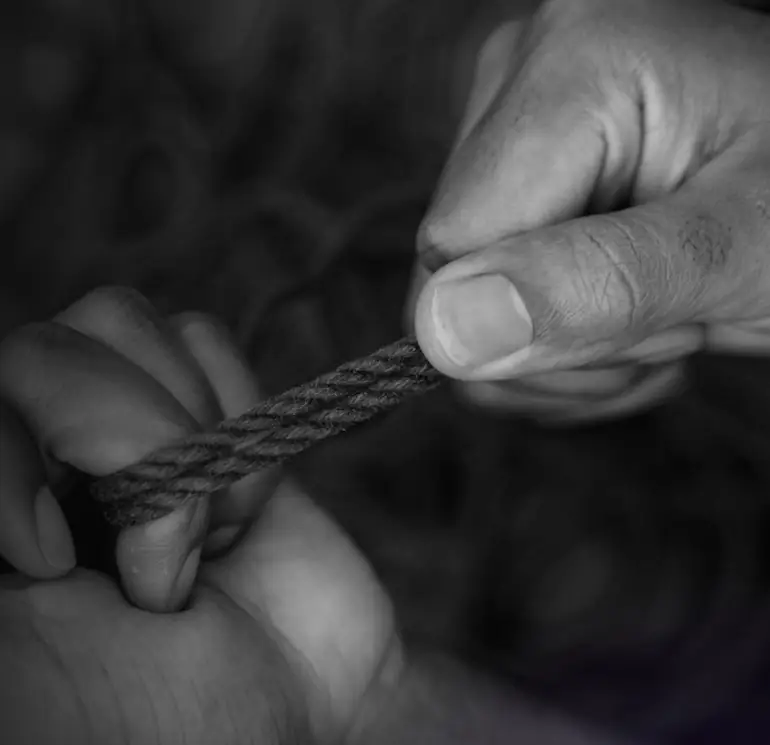
Rope is a craft. It can look beautiful, hold someone in positions cuffs never could, and turn the tying itself into part of the scene. It also takes practice to tie safely. A tie that's too tight, in the wrong place or pulled the wrong way can injure someone even when everything feels fine.
Most people start with cuffs, then learn rope from someone who knows it, ideally in person. A simple single-column tie around one wrist, learned properly, is a better first goal than copying a complicated harness from a photo.
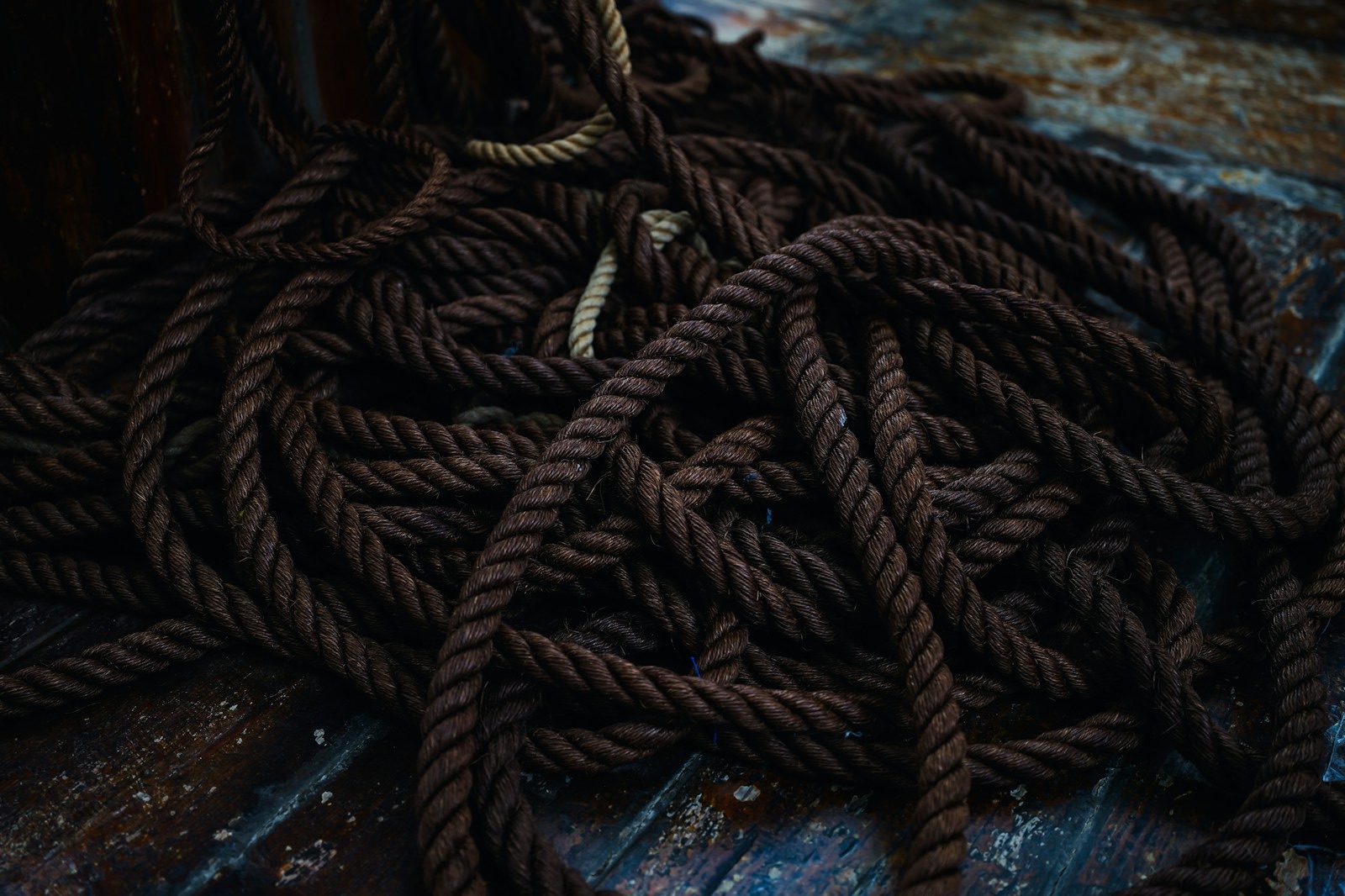
If you want rope, look for soft natural fiber like jute or hemp, or a synthetic made for bondage. Avoid hardware-store nylon. It's slippery, it burns skin and knots in it tighten under load.
Where nerves sit close to the skin
Some nerves run very near the surface, with little muscle or fat to protect them. Pressure in those spots can cause numbness, weakness or longer injuries, sometimes lasting weeks.
- The wrists. The inside and the thumb side of the wrist carry nerves close to the skin. Tie or cuff across the wider, padded part, and avoid pulling the wrist hard against a bar or bed frame.
- The upper arm. The outside of the upper arm, a little above the elbow, is a known risk spot. Tight rope across it can cause a hand to go weak and floppy.
- Inside the elbow and the armpit. Avoid pressure here, especially with arms raised.
- The neck. Never put rope, cuffs or anything else around the neck.
Watch the hands. Numbness, tingling, coldness, color change or a weak grip are warning signs. Ask him to squeeze your fingers and spread his own. If anything feels off, loosen or release straight away. Pain from a nerve can be sharp and electric or almost nothing at all, so don't wait for him to complain.
The safety essentials
Safety shears are blunt-tipped medical scissors that cut through rope and straps without cutting skin. They're cheap, and they belong within arm's reach. A pair in a drawer in another room is no use. Knots jam. Buckles stick. When you need to get someone free fast, shears solve it.
Never leave someone alone. Things change fast in bondage. A cramp, a panic, a fall, a faint or a sudden need to vomit can turn serious if nobody is there. If you need to step away, untie him first.
The two-finger rule. You should be able to slide two fingers between a cuff or rope and the skin. Tighter than that and you're compressing what's underneath. Check again during the scene, because hands and feet swell.
Agree a stop word or signal before you start, and a non-verbal one if he'll be gagged. The guide to negotiating a scene covers how.
What to skip
- Metal handcuffs. Police-style cuffs ratchet tighter when you move, have hard edges and press right on the wrist nerves. Keys get lost. They hurt people more often than any other beginner toy.
- Zip ties. They only tighten, they can't be loosened, and cutting them off a swelling wrist is hard without cutting skin.
- Duct tape on skin. It's hard to remove fast and takes skin with it. Bondage tape, which only sticks to itself, is the alternative.
- Anything around the neck. No exceptions.
- Suspension. Lifting someone off the ground in rope needs training and experience. Learn it in person from people who teach it.
Aftercare and learning more
Even short bondage can leave someone shaky or emotional afterwards. Give him water, a blanket and some time, and check the marks and his hands again before he goes home. Read aftercare for more.
The Bondage & Shibari circle is a good place to ask questions and find men who teach rope near you.
Cover: Declan Sun / Unsplash
In this series
Kink 101- 1Leather 101: where to start without buying everything
- 2Pup play 101: headspace, gear and the pack
- 3Rubber 101: fit, shine and first gear
- 4Bondage basics: cuffs, rope and what to skip
Real Kink Men is where these men meet.
Profiles, circles, events and On Air. Free to join, 18+.
Join free →More to read

Scene guides · 3 min read
Rubber 101: fit, shine and first gear
How to size latex, get into it without tearing it, make it shine, stay cool in it and store it so it lasts for years
The Real Kink Men team · Oct 19
Scene guides · 4 min read
Pup play 101: headspace, gear and the pack
What pup headspace feels like, what a handler does, which gear to buy first, and how to behave at your first mosh
The Real Kink Men team · Oct 12
Scene guides · 4 min read
Leather 101: where to start without buying everything
Three pieces to buy first, what can wait a year, how to make leather last, and how to carry yourself on a leather night
The Real Kink Men team · Oct 1